
10 Feb, 25
ChargingBattery Dost No Comments

The Need for Battery Swapping: Revolutionizing Electric Vehicle Adoption

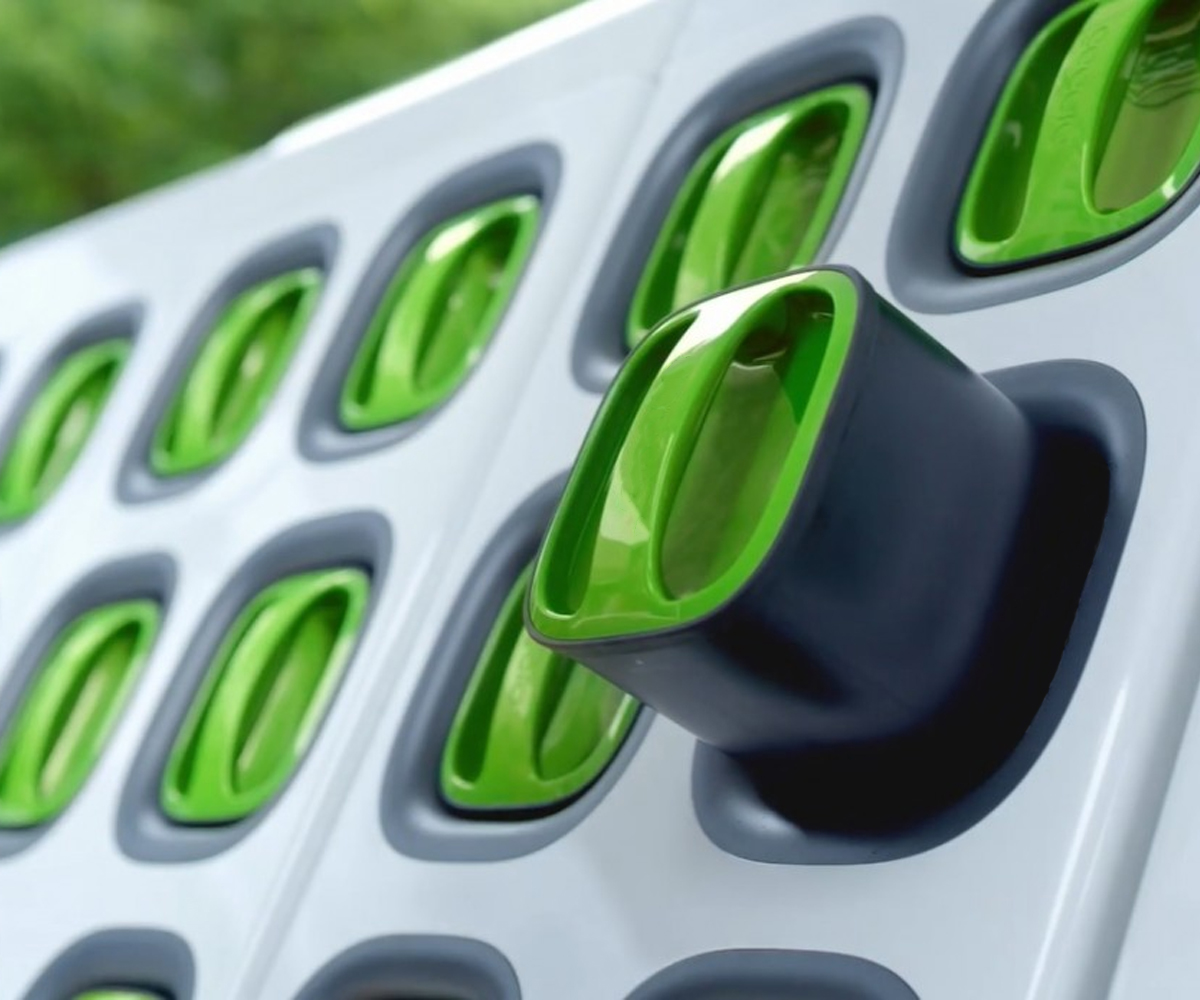
As the world shifts towards sustainable and eco-friendly transportation, electric vehicles (EVs) are becoming increasingly popular. However, one major hurdle to widespread EV adoption is the limited battery life and lengthy charging times. This is where battery swapping comes in – a game-changing technology that’s poised to revolutionize the EV industry.

The Problem with Traditional Charging Methods

Traditional charging methods, such as plug-in charging, can take anywhere from 30 minutes to several hours to fully charge an EV battery. This can lead to:

– Reduced vehicle utilization: Drivers are forced to wait for extended periods, reducing the overall efficiency of their vehicles.
– Increased downtime: Lengthy charging times result in decreased productivity and revenue for drivers, particularly in the ride-hailing and logistics industries.
– Range anxiety: Drivers are hesitant to venture far from charging stations, limiting the adoption of EVs for long-distance travel.

The Solution: Battery Swapping

Battery swapping is a simple, efficient, and cost-effective solution that addresses the limitations of traditional charging methods. By swapping depleted batteries for fully charged ones, drivers can:

– Minimize downtime: Battery swapping takes mere minutes, allowing drivers to quickly get back on the road.
– Increase vehicle utilization: With reduced charging times, drivers can maximize their vehicle’s usage, leading to increased productivity and revenue.
– Eliminate range anxiety: Battery swapping stations can be strategically located along highways and in urban areas, providing drivers with peace of mind and the freedom to travel longer distances.

Benefits of Battery Swapping

The advantages of battery swapping extend beyond the convenience and efficiency it offers drivers. This technology also:

– Reduces greenhouse gas emissions: By promoting the adoption of EVs, battery swapping contributes to a cleaner, more sustainable environment.
– Lowers operating costs: Battery swapping eliminates the need for expensive charging infrastructure, reducing the overall cost of EV ownership.
– Enhances driver experience: With minimized downtime and increased vehicle utilization, drivers can enjoy a more efficient, stress-free driving experience.

The Future of Battery Swapping

As the demand for EVs continues to grow, battery swapping is poised to play a vital role in shaping the future of sustainable transportation. With ongoing advancements in technology and infrastructure development, we can expect to see:

– Increased adoption of battery swapping stations: As the technology becomes more widespread, we’ll see a proliferation of battery swapping stations along highways, in urban areas, and at public charging points.
– Improved battery design and efficiency: Advances in battery technology will lead to more efficient, higher-capacity batteries that can be swapped quickly and easily.
– Integration with smart grid systems: Battery swapping will be integrated with smart grid systems, enabling the efficient management of energy distribution and consumption.

Conclusion

Battery swapping is a crucial innovation that addresses the limitations of traditional charging methods, promoting the widespread adoption of EVs and sustainable transportation. As the technology continues to evolve, we can expect to see significant improvements in efficiency, convenience, and environmental sustainability. Join the revolution and discover the power of battery swapping for yourself.
01 Feb, 25
ChargingBattery Dost No Comments

Unlocking Efficiency: How Battery Swapping Can Benefit Commercial E-Rickshaws

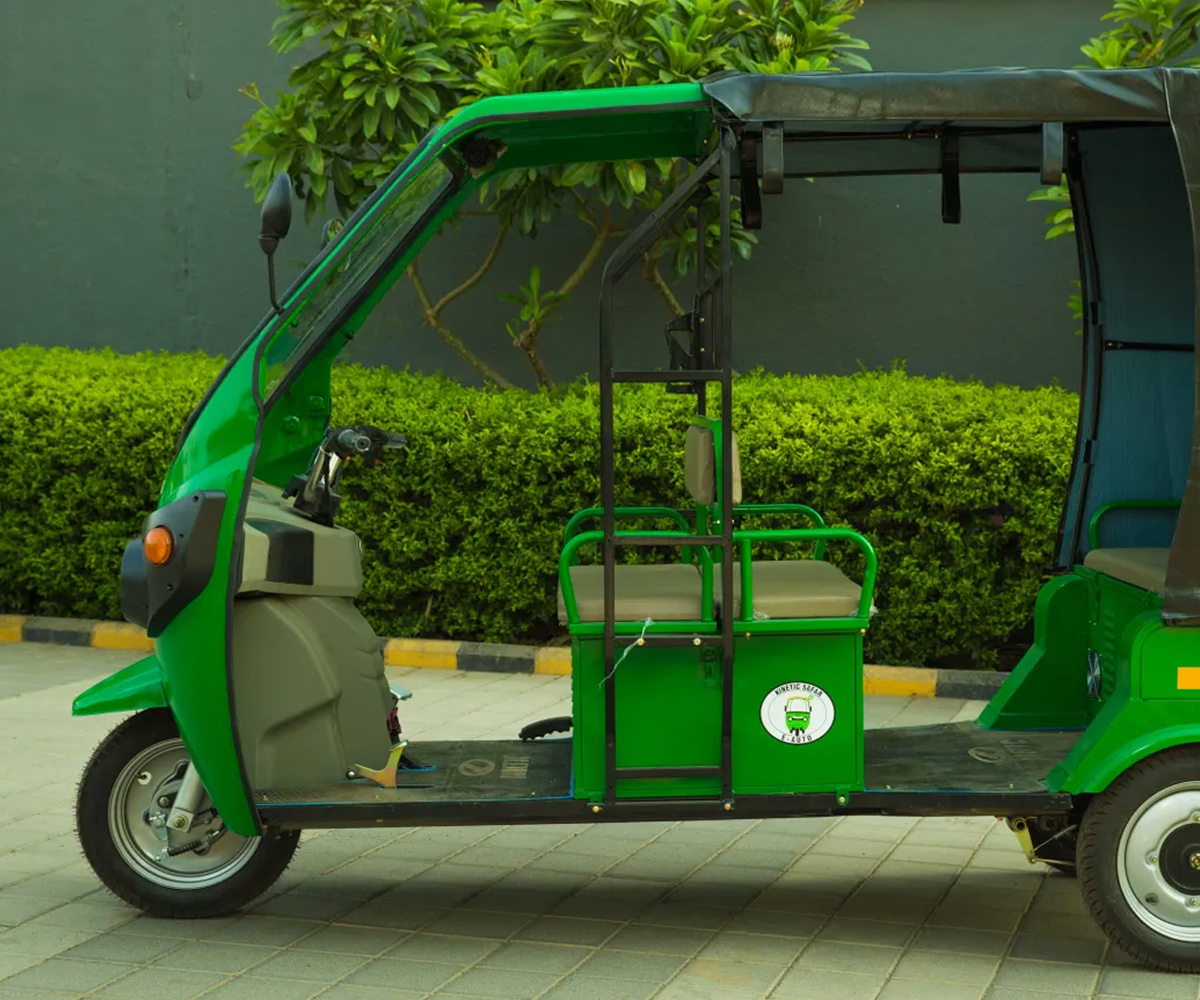
The e-rickshaw industry has witnessed tremendous growth in recent years, with thousands of vehicles plying the streets of Indian cities. As the demand for eco-friendly and cost-effective transportation continues to rise, commercial e-rickshaws are becoming an increasingly popular choice for drivers and fleet owners. However, one major challenge facing the industry is the limited battery life and lengthy charging times. This is where battery swapping comes in – a game-changing technology that can significantly benefit commercial e-rickshaws.

The Challenges Facing Commercial E-Rickshaws

Commercial e-rickshaws operate on tight schedules, with drivers often working long hours to meet demand. However, the limited battery life of e-rickshaws can lead to:

– Reduced operational hours: Drivers are forced to stop operations for extended periods to recharge their batteries, resulting in lost revenue and reduced productivity.
– Increased downtime: Lengthy charging times can lead to increased downtime, resulting in decreased vehicle utilization and reduced earnings for drivers.
– Higher operating costs: The need for multiple batteries and charging infrastructure can increase operating costs, reducing profit margins for fleet owners.

The Benefits of Battery Swapping for Commercial E-Rickshaws

Battery swapping offers a convenient, efficient, and cost-effective solution for commercial e-rickshaws. By swapping depleted batteries for fully charged ones, drivers can:

– Increase operational hours: Battery swapping takes mere minutes, allowing drivers to quickly get back on the road and maximize their operational hours.
– Reduce downtime: With minimized charging times, drivers can reduce downtime and increase vehicle utilization, leading to increased earnings and productivity.
– Lower operating costs: Battery swapping eliminates the need for multiple batteries and charging infrastructure, reducing operating costs and increasing profit margins for fleet owners.

Stats That Highlight the Benefits of Battery Swapping

– 30% increase in operational hours: Battery swapping can increase operational hours by up to 30%, allowing drivers to maximize their earnings and productivity.
– 50% reduction in downtime: With minimized charging times, battery swapping can reduce downtime by up to 50%, leading to increased vehicle utilization and reduced operating costs.
– 25% reduction in operating costs: Battery swapping can reduce operating costs by up to 25%, increasing profit margins for fleet owners and making commercial e-rickshaws a more viable business option.
– 80% of e-rickshaw drivers report that battery swapping would improve their overall driving experience and increase their earnings.

Conclusion

Battery swapping is a revolutionary technology that can significantly benefit commercial e-rickshaws. By increasing operational hours, reducing downtime, and lowering operating costs, battery swapping can make commercial e-rickshaws a more efficient, productive, and profitable business option. As the demand for eco-friendly and cost-effective transportation continues to rise, battery swapping is poised to play a vital role in shaping the future of the e-rickshaw industry.

15 Jan, 25
ChargingBattery Dost No Comments

Making the Switch: Why Lithium-Ion Batteries are the Future of E-Rickshaws

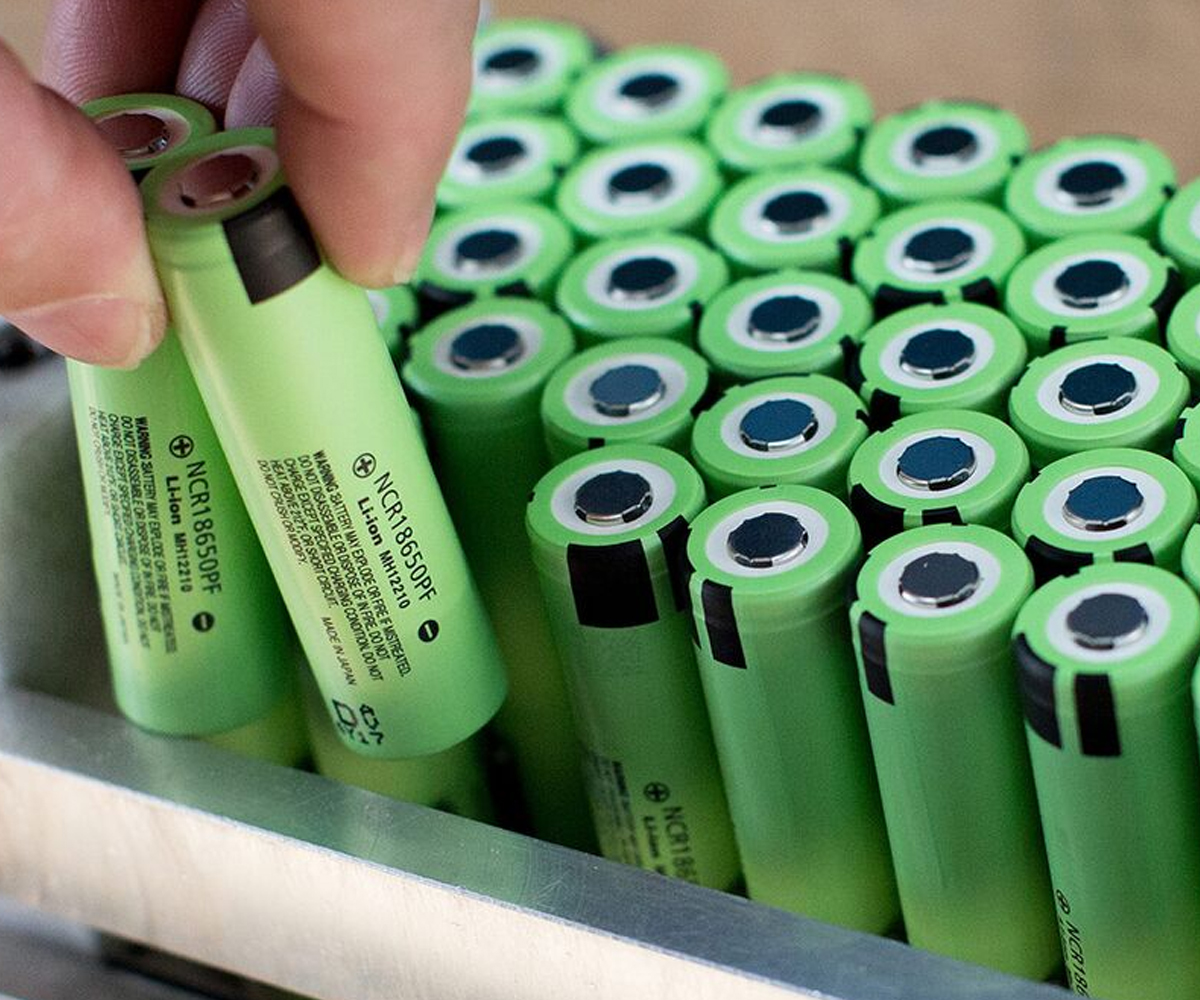
The e-rickshaw industry has witnessed tremendous growth in recent years, with thousands of vehicles plying the streets of Indian cities. As the demand for eco-friendly and cost-effective transportation continues to rise, e-rickshaw manufacturers and drivers are looking for ways to improve the efficiency and productivity of their vehicles. One key area of focus is the battery technology used to power these vehicles. Traditional lead-acid batteries have been the norm, but lithium-ion batteries are rapidly gaining popularity. In this blog, we’ll explore the benefits of switching from traditional lead-acid batteries to lithium-ion batteries.

The Limitations of Lead-Acid Batteries

Lead-acid batteries have been used in e-rickshaws for years, but they have several limitations. These batteries are:

– Heavy: Lead-acid batteries are made with heavy lead plates, which can weigh down the vehicle and reduce its efficiency.
– Bulky: Lead-acid batteries are also bulky, taking up valuable space in the vehicle.
– Low Energy Density: Lead-acid batteries have a low energy density, which means they need to be large and heavy to provide sufficient power.
– Short Lifespan: Lead-acid batteries have a relatively short lifespan, typically lasting around 6-12 months.
– Maintenance-Intensive: Lead-acid batteries require regular maintenance, including watering and equalization, to ensure optimal performance.

The Benefits of Lithium-Ion Batteries

Lithium-ion batteries, on the other hand, offer several benefits over traditional lead-acid batteries. These batteries are:

– Lightweight: Lithium-ion batteries are made with lightweight materials, reducing the overall weight of the vehicle and improving its efficiency.
– Compact: Lithium-ion batteries are also compact, taking up less space in the vehicle.
– High Energy Density: Lithium-ion batteries have a high energy density, providing more power in a smaller package.
– Long Lifespan: Lithium-ion batteries have a relatively long lifespan, typically lasting around 3-5 years.
– Low Maintenance: Lithium-ion batteries require minimal maintenance, reducing downtime and increasing productivity.

Stats That Highlight the Benefits of Lithium-Ion Batteries

– 50% Increase in Energy Density: Lithium-ion batteries have a 50% higher energy density than lead-acid batteries, providing more power in a smaller package.
– 30% Reduction in Weight: Lithium-ion batteries are 30% lighter than lead-acid batteries, reducing the overall weight of the vehicle and improving its efficiency.
– 2-3 Times Longer Lifespan: Lithium-ion batteries have a 2-3 times longer lifespan than lead-acid batteries, reducing replacement costs and increasing productivity.
– 80% Reduction in Maintenance: Lithium-ion batteries require 80% less maintenance than lead-acid batteries, reducing downtime and increasing productivity.
– 25% Increase in Range: Lithium-ion batteries can increase the range of an e-rickshaw by up to 25%, reducing the need for frequent recharging.

Conclusion

Lithium-ion batteries offer several benefits over traditional lead-acid batteries, including higher energy density, longer lifespan, and lower maintenance. By switching to lithium-ion batteries, e-rickshaw manufacturers and drivers can improve the efficiency and productivity of their vehicles, reducing costs and increasing profitability. As the demand for eco-friendly and cost-effective transportation continues to rise, lithium-ion batteries are poised to play a vital role in shaping the future of the e-rickshaw industry.

01 Jan, 25
ChargingBattery Dost No Comments

E-Rickshaws: The Rising Stars of Punjab and North India’s Transportation Sector

The e-rickshaw market in India is booming, and Punjab and North India are at the forefront of this revolution. With the government’s push for eco-friendly transportation and the increasing demand for cost-effective and efficient public transport, e-rickshaws are becoming the go-to option for millions of commuters.

Growing Demand and Increasing Adoption

In recent years, there has been a significant surge in the demand for e-rickshaws in Punjab and North India. The Indian government’s initiatives, such as the Faster Adoption and Manufacturing of (Hybrid) and Electric Vehicles in India (FAME) scheme, have provided incentives and subsidies to encourage the adoption of e-rickshaws ¹. As a result, many manufacturers are launching new models, and the market is expected to grow at a CAGR of 15% by 2030 ².

Key Drivers of Growth

Several factors are contributing to the growth of the e-rickshaw market in Punjab and North India. Some of the key drivers include:

– Government Support: The Indian government’s policies and incentives are encouraging the adoption of e-rickshaws.
– Environmental Concerns: The increasing awareness about the environmental benefits of e-rickshaws is driving their adoption.
– Cost-Effectiveness: E-rickshaws are a cost-effective option for public transportation, with lower operating costs compared to traditional fuel-based vehicles.
– Increasing Demand for Public Transportation: The growing demand for public transportation in urban areas is driving the adoption of e-rickshaws.

Challenges and Opportunities

While the e-rickshaw market in Punjab and North India is growing rapidly, there are still several challenges that need to be addressed. Some of the key challenges include:

– Infrastructure: The lack of charging infrastructure is a major challenge for the adoption of e-rickshaws.
– Battery Life: The limited battery life of e-rickshaws is a concern for many users.
– Regulatory Framework: The regulatory framework for e-rickshaws is still evolving and needs to be streamlined.

Despite these challenges, the e-rickshaw market in Punjab and North India presents several opportunities for growth and innovation. Some of the key opportunities include:

– Partnerships and Collaborations: Partnerships between manufacturers, government agencies, and private companies can help address the infrastructure and regulatory challenges.
– Innovative Business Models: Innovative business models, such as battery swapping and leasing, can help reduce the upfront costs of e-rickshaws and make them more accessible to users.
– Technological Advancements: Technological advancements, such as improved battery life and more efficient motors, can help improve the performance and range of e-rickshaws.