
Battery Swapping Revolution for 3-Wheel Rickshaws
A sustainable mobility solution that benefits both drivers and the environment.

By Anil Yadav
Last edited 5 days ago
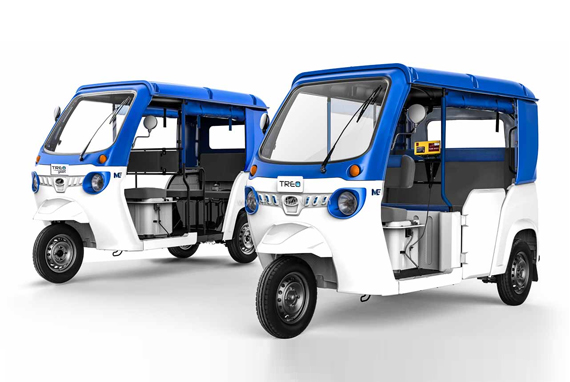
What is Battery Swapping?
Quickly exchange depleted batteries for charged ones. This takes just 3-5 minutes, compared to hours of charging.
Minimizes vehicle downtime, allowing drivers to make more trips per day.
Economic Benefits for Drivers
01
Lower Upfront Costs
Vehicles are up to 50% cheaper without the battery, making it more affordable for drivers.
02
Reduced Operating Expenses
Pay-per-use battery swaps reduce daily operating costs, making the business more profitable.
03
Increased Earnings
Drivers can make 20-30% more trips per day due to reduced downtime.
Environmental Impact
Reduced CO2 Emissions
Battery swapping reduces CO2 emissions by up to 35% compared to petrol rickshaws.
Cleaner Air
Battery swapping contributes to a cleaner urban environment with less air pollution.
Renewable Energy
Battery swapping stations can use renewable energy sources like solar power for charging.
Operational Efficiency
Extended Range
Multiple swaps possible per day, increasing vehicle range significantly.
Optimized Charging
Centralized charging at swapping stations optimizes grid load management.
No Range Anxiety
Battery swapping eliminates the need for drivers to worry about running out of charge
Infrastructure Development
01
Expanding Network
Over 1000+ battery swapping stations are already operational in major Indian cities.
02
New Job Creation
Battery swapping creates jobs in station operations and maintenance, boosting local economies.
03
Smart City Initiatives
Battery swapping supports smart city initiatives and promotes sustainable urban mobility solutions.
Future Potential
Expanding to Other Vehicles
Battery swapping can be implemented for other vehicles like scooters and delivery vans.
Renewable Energy Integration
Swapping stations can be powered by renewable energy sources like solar power.
AI-driven Management
AI can be used to predict demand and optimize battery management for greater efficiency.
Conclusion: Driving Sustainable Urban Mobility
01
Economic Benefits
Battery swapping offers drivers increased earnings and lower costs.
02
Environmental Impact
Battery swapping reduces emissions and improves air quality in cities.
03
Operational Efficiency
Battery swapping extends vehicle range and minimizes downtime for drivers.
03
Clean Energy Transition
Battery swapping is a key technology for a broader transition to clean energy in transportation.
