
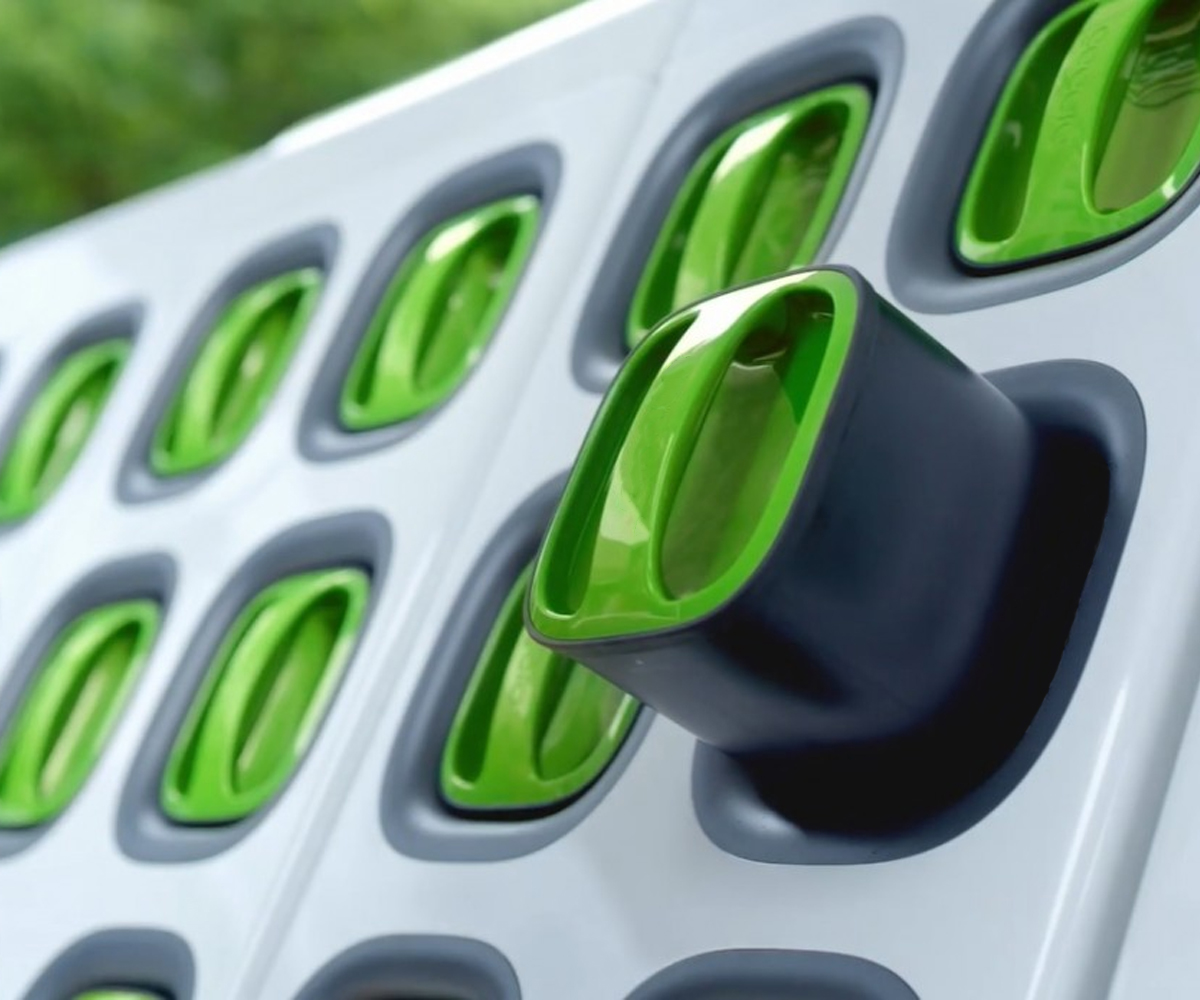
As the world shifts towards sustainable and eco-friendly transportation, electric vehicles (EVs) are becoming increasingly popular. However, one major hurdle to widespread EV adoption is the limited battery life and lengthy charging times. This is where battery swapping comes in – a game-changing technology that’s poised to revolutionize the EV industry.
The Problem with Traditional Charging Methods
Traditional charging methods, such as plug-in charging, can take anywhere from 30 minutes to several hours to fully charge an EV battery. This can lead to:
– Reduced vehicle utilization: Drivers are forced to wait for extended periods, reducing the overall efficiency of their vehicles.
– Increased downtime: Lengthy charging times result in decreased productivity and revenue for drivers, particularly in the ride-hailing and logistics industries.
– Range anxiety: Drivers are hesitant to venture far from charging stations, limiting the adoption of EVs for long-distance travel.
The Solution: Battery Swapping
Battery swapping is a simple, efficient, and cost-effective solution that addresses the limitations of traditional charging methods. By swapping depleted batteries for fully charged ones, drivers can:
– Minimize downtime: Battery swapping takes mere minutes, allowing drivers to quickly get back on the road.
– Increase vehicle utilization: With reduced charging times, drivers can maximize their vehicle’s usage, leading to increased productivity and revenue.
– Eliminate range anxiety: Battery swapping stations can be strategically located along highways and in urban areas, providing drivers with peace of mind and the freedom to travel longer distances.
Benefits of Battery Swapping
The advantages of battery swapping extend beyond the convenience and efficiency it offers drivers. This technology also:
– Reduces greenhouse gas emissions: By promoting the adoption of EVs, battery swapping contributes to a cleaner, more sustainable environment.
– Lowers operating costs: Battery swapping eliminates the need for expensive charging infrastructure, reducing the overall cost of EV ownership.
– Enhances driver experience: With minimized downtime and increased vehicle utilization, drivers can enjoy a more efficient, stress-free driving experience.
The Future of Battery Swapping
As the demand for EVs continues to grow, battery swapping is poised to play a vital role in shaping the future of sustainable transportation. With ongoing advancements in technology and infrastructure development, we can expect to see:
– Increased adoption of battery swapping stations: As the technology becomes more widespread, we’ll see a proliferation of battery swapping stations along highways, in urban areas, and at public charging points.
– Improved battery design and efficiency: Advances in battery technology will lead to more efficient, higher-capacity batteries that can be swapped quickly and easily.
– Integration with smart grid systems: Battery swapping will be integrated with smart grid systems, enabling the efficient management of energy distribution and consumption.
Conclusion
Battery swapping is a crucial innovation that addresses the limitations of traditional charging methods, promoting the widespread adoption of EVs and sustainable transportation. As the technology continues to evolve, we can expect to see significant improvements in efficiency, convenience, and environmental sustainability. Join the revolution and discover the power of battery swapping for yourself.