
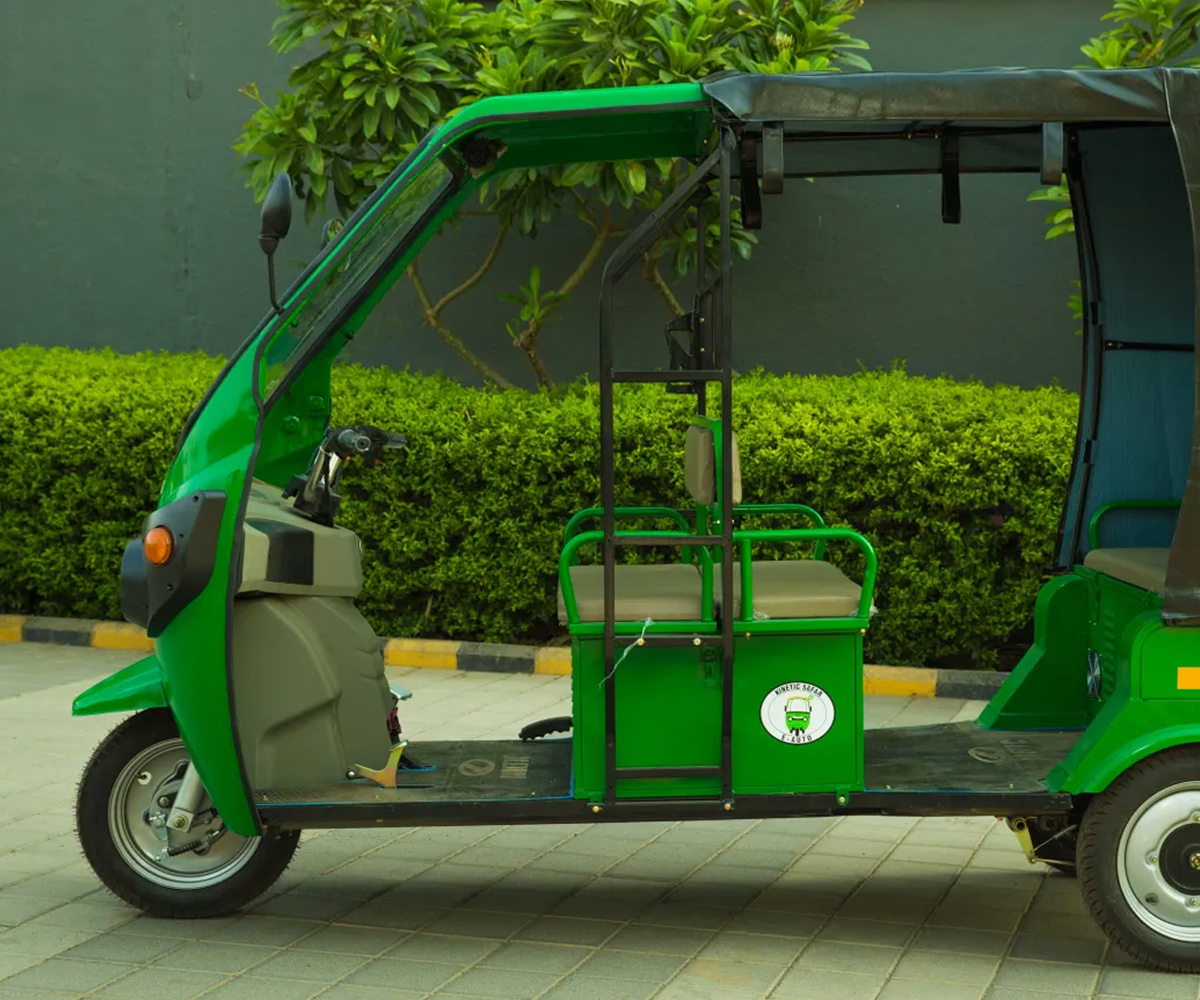
The e-rickshaw industry has witnessed tremendous growth in recent years, with thousands of vehicles plying the streets of Indian cities. As the demand for eco-friendly and cost-effective transportation continues to rise, commercial e-rickshaws are becoming an increasingly popular choice for drivers and fleet owners. However, one major challenge facing the industry is the limited battery life and lengthy charging times. This is where battery swapping comes in – a game-changing technology that can significantly benefit commercial e-rickshaws.
The Challenges Facing Commercial E-Rickshaws
Commercial e-rickshaws operate on tight schedules, with drivers often working long hours to meet demand. However, the limited battery life of e-rickshaws can lead to:
– Reduced operational hours: Drivers are forced to stop operations for extended periods to recharge their batteries, resulting in lost revenue and reduced productivity.
– Increased downtime: Lengthy charging times can lead to increased downtime, resulting in decreased vehicle utilization and reduced earnings for drivers.
– Higher operating costs: The need for multiple batteries and charging infrastructure can increase operating costs, reducing profit margins for fleet owners.
The Benefits of Battery Swapping for Commercial E-Rickshaws
Battery swapping offers a convenient, efficient, and cost-effective solution for commercial e-rickshaws. By swapping depleted batteries for fully charged ones, drivers can:
– Increase operational hours: Battery swapping takes mere minutes, allowing drivers to quickly get back on the road and maximize their operational hours.
– Reduce downtime: With minimized charging times, drivers can reduce downtime and increase vehicle utilization, leading to increased earnings and productivity.
– Lower operating costs: Battery swapping eliminates the need for multiple batteries and charging infrastructure, reducing operating costs and increasing profit margins for fleet owners.
Stats That Highlight the Benefits of Battery Swapping
– 30% increase in operational hours: Battery swapping can increase operational hours by up to 30%, allowing drivers to maximize their earnings and productivity.
– 50% reduction in downtime: With minimized charging times, battery swapping can reduce downtime by up to 50%, leading to increased vehicle utilization and reduced operating costs.
– 25% reduction in operating costs: Battery swapping can reduce operating costs by up to 25%, increasing profit margins for fleet owners and making commercial e-rickshaws a more viable business option.
– 80% of e-rickshaw drivers report that battery swapping would improve their overall driving experience and increase their earnings.
Conclusion
Battery swapping is a revolutionary technology that can significantly benefit commercial e-rickshaws. By increasing operational hours, reducing downtime, and lowering operating costs, battery swapping can make commercial e-rickshaws a more efficient, productive, and profitable business option. As the demand for eco-friendly and cost-effective transportation continues to rise, battery swapping is poised to play a vital role in shaping the future of the e-rickshaw industry.