
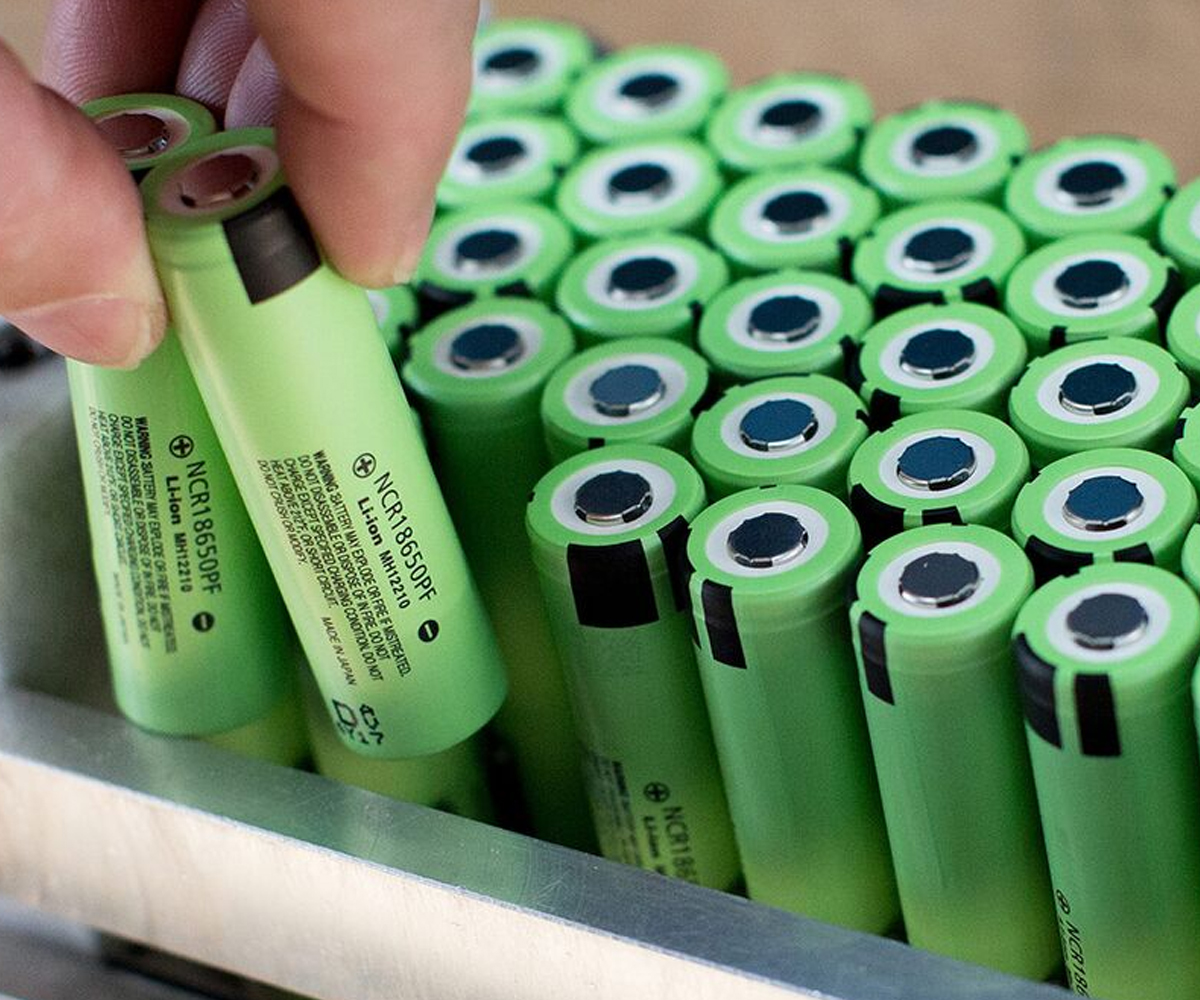
The e-rickshaw industry has witnessed tremendous growth in recent years, with thousands of vehicles plying the streets of Indian cities. As the demand for eco-friendly and cost-effective transportation continues to rise, e-rickshaw manufacturers and drivers are looking for ways to improve the efficiency and productivity of their vehicles. One key area of focus is the battery technology used to power these vehicles. Traditional lead-acid batteries have been the norm, but lithium-ion batteries are rapidly gaining popularity. In this blog, we’ll explore the benefits of switching from traditional lead-acid batteries to lithium-ion batteries.
The Limitations of Lead-Acid Batteries
Lead-acid batteries have been used in e-rickshaws for years, but they have several limitations. These batteries are:
– Heavy: Lead-acid batteries are made with heavy lead plates, which can weigh down the vehicle and reduce its efficiency.
– Bulky: Lead-acid batteries are also bulky, taking up valuable space in the vehicle.
– Low Energy Density: Lead-acid batteries have a low energy density, which means they need to be large and heavy to provide sufficient power.
– Short Lifespan: Lead-acid batteries have a relatively short lifespan, typically lasting around 6-12 months.
– Maintenance-Intensive: Lead-acid batteries require regular maintenance, including watering and equalization, to ensure optimal performance.
The Benefits of Lithium-Ion Batteries
Lithium-ion batteries, on the other hand, offer several benefits over traditional lead-acid batteries. These batteries are:
– Lightweight: Lithium-ion batteries are made with lightweight materials, reducing the overall weight of the vehicle and improving its efficiency.
– Compact: Lithium-ion batteries are also compact, taking up less space in the vehicle.
– High Energy Density: Lithium-ion batteries have a high energy density, providing more power in a smaller package.
– Long Lifespan: Lithium-ion batteries have a relatively long lifespan, typically lasting around 3-5 years.
– Low Maintenance: Lithium-ion batteries require minimal maintenance, reducing downtime and increasing productivity.
Stats That Highlight the Benefits of Lithium-Ion Batteries
– 50% Increase in Energy Density: Lithium-ion batteries have a 50% higher energy density than lead-acid batteries, providing more power in a smaller package.
– 30% Reduction in Weight: Lithium-ion batteries are 30% lighter than lead-acid batteries, reducing the overall weight of the vehicle and improving its efficiency.
– 2-3 Times Longer Lifespan: Lithium-ion batteries have a 2-3 times longer lifespan than lead-acid batteries, reducing replacement costs and increasing productivity.
– 80% Reduction in Maintenance: Lithium-ion batteries require 80% less maintenance than lead-acid batteries, reducing downtime and increasing productivity.
– 25% Increase in Range: Lithium-ion batteries can increase the range of an e-rickshaw by up to 25%, reducing the need for frequent recharging.
Conclusion
Lithium-ion batteries offer several benefits over traditional lead-acid batteries, including higher energy density, longer lifespan, and lower maintenance. By switching to lithium-ion batteries, e-rickshaw manufacturers and drivers can improve the efficiency and productivity of their vehicles, reducing costs and increasing profitability. As the demand for eco-friendly and cost-effective transportation continues to rise, lithium-ion batteries are poised to play a vital role in shaping the future of the e-rickshaw industry.